8 Ways to Prepare for Your Next Tour

So you’ve got a tour coming up…
This article is geared toward new artist managers or tour managers for small to medium-sized touring acts…
That being said, it could be useful for anyone hitting the road in today’s rapidly changing live music environment!
Time-tested touring practices may not work quite as smoothly as they once did. Costs have soared, supply chains can be unpredictable, and finding solid crew members can be tricky.
With good preparation, touring can still be both affordable and creatively fulfilling. Let’s dive into eight essential steps to set up for success.
1. Start Budgeting & Reserving Early
Plan Your Finances: Draft a detailed budget that includes travel, accommodation, food, and equipment rentals (plus a little buffer for those inevitable surprises). This will help you see the big picture. Factor in rising costs due to inflation and possible last-minute changes. Communicate this early and often to avoid surprises/
Reserve in Advance: Trucks, vans, buses—whatever you’re using for transportation—often get booked 6 months in advance, especially during peak touring seasons. Reserving early not only guarantees availability but can also lock in better rates before prices spike.
Equipment Bookings: The same rule applies for backline gear and lighting. Booking early secures the gear you actually want and helps you avoid unexpected price hikes. The rental houses will have more patience with budget when it's not a last minute rush, and may be more likely to find some wiggle room on pricing.
Insurance: Make sure you have liability insurance to provide to both rental houses and venues. With venues and travel still in flux, this can save you a massive headache. It’s no fun to be scrounging for event insurance 24hrs before bus call.
Pro Tip: Make a list of every item that needs renting (truck, lights, sound gear, etc.) and try to book at least 2–3 months ahead. This can protect you from last-minute shortages or unexpected delays.
2. Get Organized with a Master Timeline
Milestone Markers: Create a calendar or timeline that highlights key deadlines: when to finalize setlists for programmers, when to ship merch, when to confirm hotel reservations, pickup/return equipment rentals etc. Just making this will remind you how very much there is to do. Add some checkboxes to make it fun.
Clear Communication: Share your timeline with the band, crew, and any outside vendors. The fewer surprises for everyone, the smoother your tour.
Pro Tip: Use tools like Mastertour or Google Calendar to keep all your info in one place and easily share with the touring crew. This helps you adapt quickly if venues suddenly change policies or new guidelines pop up.
3. Map Out Your Route
Consider Your Rentals: Fly-dates and traveling with your lighting package? Don't even think about it! Starting in LA and freighting back from NYC can also double the cost of a small rental package. It's wise to start/end your tour in the same region if you're bringing a sizable production package.
Economize: Plot a route that minimizes backtracking and overdrives (i.e. paying the driver double for exceptionally long drives without breaks). This reduces travel time (and costs) so you can squeeze in more gig days or rest days—especially important with rising fuel prices.
Leverage Local Venues: If you have a gap day, see if you can book a smaller venue or even a pop-up acoustic session to drum up local interest.
Pro Tip: the artist ends up paying the price if the routing is inefficient! Don’t be afraid to critique the agent’s route and ask for changes.
Also check for holidays etc. piggybacking on big festivals can help with exposure (or you might want to avoid them if they cause traffic and high lodging costs). Be mindful that staffing shortages or new restrictions might affect those events.
4. Identify Your Creative Needs
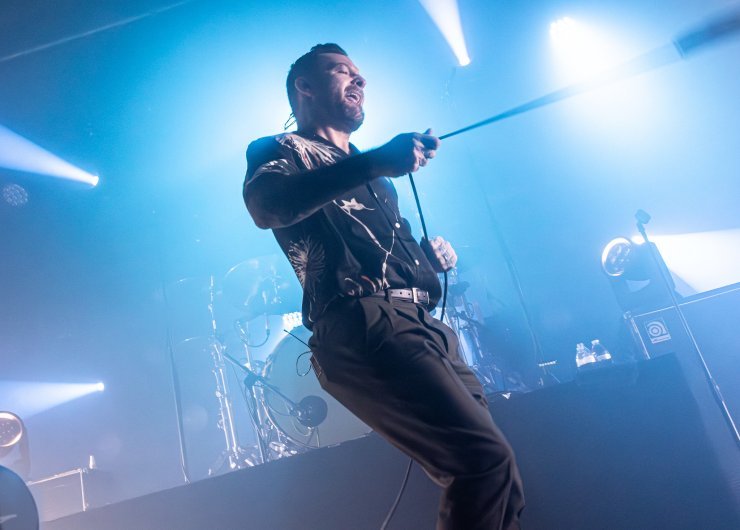
Creative Director : From stage design and lighting to promotional materials, a creative director ensures your show’s aesthetics match the artist’s brand and sound. This can make a huge difference for an artist who is taking the next step in their production, fresh ideas and consistent brand messaging creates emotional buy in from fans.
Stage Production Designer will help with designing a unique stage setup that also considers lighting & video content. They can adapt the creative vision to venue constraints, and maintain a consistent style from city to city.
Pro Tip: Good design doesn’t have to break the bank! Talk to your designer or creative lead about ways to repurpose existing elements for new shows. You can contact us for stage design & lighting programming services HERE
5. Build a Promotional Strategy
Social Media: Start ramping up your social media presence a few weeks before the tour. Countdown posts, behind-the-scenes snaps, and quick rehearsal clips build hype.
Plan for BTS Content: you don't necessarily need a full time photographer, but it's important to make sure you capture some behind the scenes authentic moments.
Local Press: Reach out to local blogs, radio stations, or community calendars for each city. A little bit of promo can go a long way in boosting ticket sales.
Pro Tip: Work with your creative director to develop promo materials (posters, digital ads) that match your on-stage aesthetic for cohesive branding.
6. Assemble (and Train) Your Crew
Now that the creative intention is figured out, you can know what kind of people you need.

Define Roles: Who’s handling merch? Who’s responsible for setting up the lighting rig? Clarity avoids confusion and creates ownership.
Hiring New Crew: Experienced crew members can be in high demand. Post job listings early (or ask around for strong referrals), offer competitive pay (within your budget- be up front about this) and check references thoroughly.
Cross-Training: In a small-to-medium operation, people often wear multiple hats. Make sure each crew member can cover at least one other role in case of emergencies.
Pro Tip: Have a quick daily briefing during the tour so everyone knows the schedule, any venue quirks, potential pinch points, and updated health protocols.
7. Rehearse to Show-Ready
Maintenance: Make sure your instruments and equipment are in top condition before hitting the road. That goes for guitars, drum hardware, lighting consoles—everything. Pack supplies for tune-ups on the road too.
Run through live: schedule a live rehearsal or two in a space with a playable area similar to the venues you will be in. This is the best way to catch any issues before you’re on stage. Build a solid foundation in rehearsals so you can have some spontaneity on the road.
Pro Tip: Keep a small emergency kit on hand—extra strings, cables, fuses, gaffer tape—to avoid running around at the last minute.
8. SHOW DAY
Load-In & Soundcheck: Know your load-in time, soundcheck routine, and how long it takes to set up your lights if you’ve rented any. Communicate this to everyone involved. Group texts, Mastertour, email PDFs, whatever! Just make sure people know where to find it
Merch: A messy or poorly lit merch table loses sales! Make sure you have clear pricing, enough stock, and good lighting.
Post-Show Plan: Who’s packing up the gear? How much time do you have? Where does the leftover inventory go?
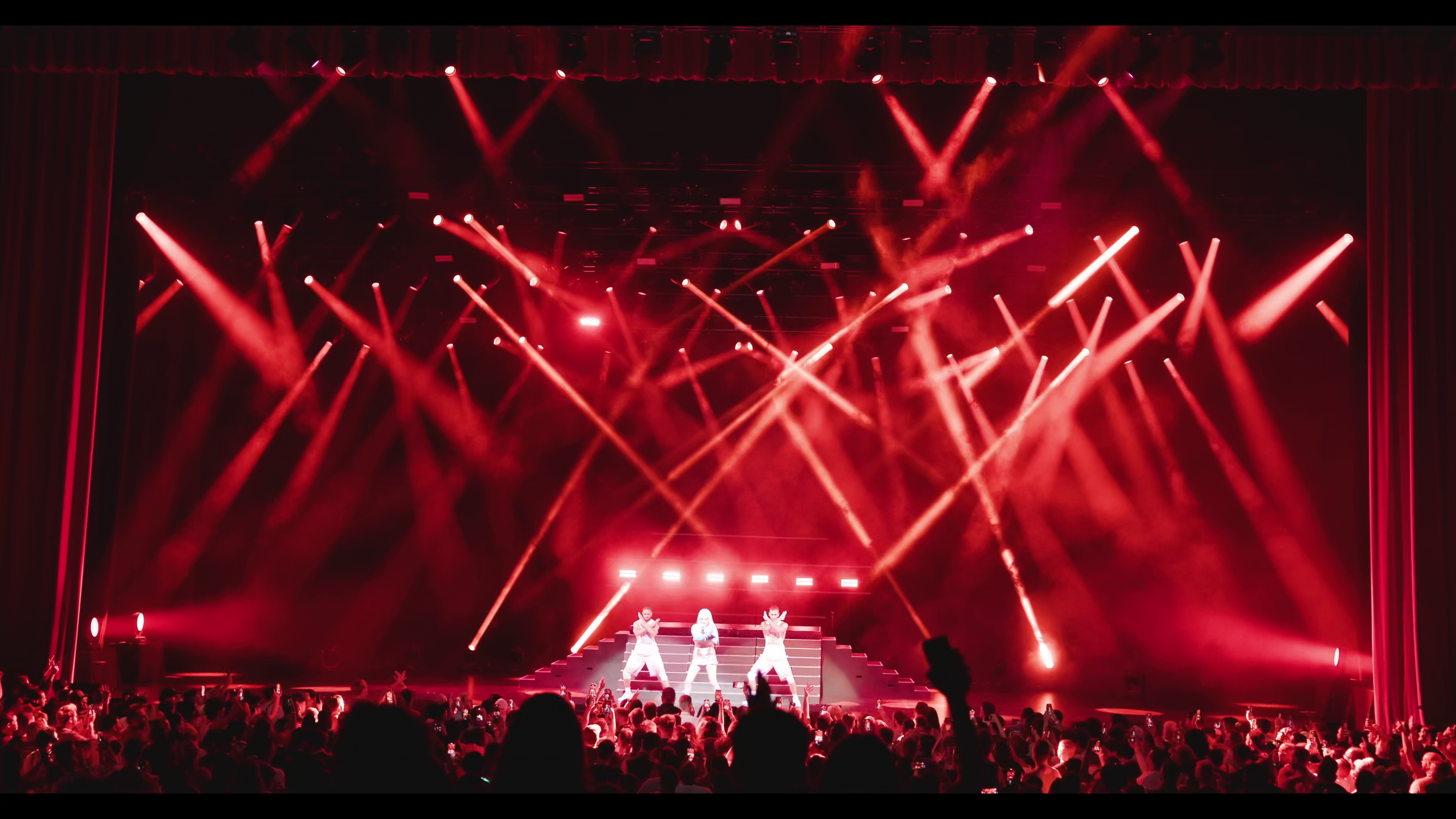
You've got this!
By focusing on these essentials and staying nimble in a shifting landscape, you’ll not only save money but also set the stage for a smooth, creatively fulfilling tour. Got questions or need more tips? Don’t hesitate to reach out!